When summer starts creeping into El Paso, fleet owners can feel the shift almost immediately. The heat picks up, the roads get busier, delivery schedules get tighter, and trucks start spending longer hours doing what they do best: keeping business moving. But that extra workload comes with a cost.
A truck that seemed fine a few weeks ago can suddenly start showing problems once the heat, heavy loads, and longer routes kick in. And when one truck goes down during peak season, it is not just a mechanical issue. It can throw off deliveries, stress out drivers, delay customers, and cut into your bottom line.
That is why May is such an important month for fleet maintenance in El Paso. It gives you a chance to catch problems before summer puts your trucks to the test. And if you have ever had to look for roadside truck repair El Paso in the middle of a busy season, you already know how much better it is to prevent a breakdown than to deal with one on the side of the road.
Summer Freight Season Puts More Pressure on Every Truck
Every summer, freight activity picks up. More deliveries need to be made, schedules get tighter, and there is less room for mistakes or delays. For fleets, that usually means more miles, heavier loads, longer driving hours, and more stress on every major system in the truck.
That is when small problems start to matter more. A weak battery, worn tire, low fluid level, brake issue, or cooling system problem might not seem urgent at first. But once your truck is working harder in El Paso heat, those small issues can turn into expensive downtime fast.
And in freight, downtime is rarely just downtime. It affects routes, drivers, customers, and revenue.
Waiting Until Something Breaks Usually Costs More
A lot of truck owners have had the same thought at some point: “It is still running, so we can wait.” That might work for a while, but it is a risky way to manage a fleet.
Preventive maintenance is not about spending money for no reason. It is about finding the problems that are already starting, before they become bigger, more expensive, and harder to deal with.
Skipping maintenance can lead to emergency repairs, missed delivery windows, poor fuel economy, higher repair bills, and trucks sitting idle when they should be on the road.
During a slow season, that is frustrating. During a summer freight surge, it can be a serious problem.
Why May Is the Best Time to Get Ahead
May is the sweet spot. It is close enough to summer that you know the heavy season is coming, but early enough to do something about it. Scheduling fleet truck maintenance El Paso before the rush gives you more control. You can inspect your trucks, handle repairs, replace worn parts, and make sure your fleet is ready before demand really picks up.
It also helps you avoid the last-minute scramble. By June and July, repair shops are usually busier, breakdowns are more common, and getting a truck back on the road can take longer.
Taking care of maintenance in May is not just smart. It is practical. It gives your fleet a better chance of making it through the season without unnecessary interruptions.
What Should Be Checked Before Summer?
Before the busiest months arrive, it is worth paying close attention to the systems that take the hardest hit in the heat.
Your engine should be running smoothly, especially because high temperatures make cooling issues more dangerous. If there is a small leak, a worn hose, or a cooling system problem, summer will usually expose it.
Brakes also need a careful inspection. When trucks are carrying heavier loads and running longer routes, weak brakes are not something to gamble with. They affect safety, stopping distance, and driver confidence.
Tires and suspension matter just as much. Hot pavement, added weight, and extra mileage can speed up wear. A tire problem on the road can quickly turn into a delay, a safety issue, or a costly repair.
Electrical systems should not be ignored either. Batteries, wiring, alternators, and starters can fail without much warning, especially when they are already under stress.
And then there are the fluids. Oil, coolant, transmission fluid, brake fluid, and other essential fluids all have to be clean, filled properly, and ready for hot conditions. In El Paso summers, the cooling system deserves extra attention.
Preventive Maintenance Gives You Control
The biggest difference between preventive maintenance and emergency repair is control.
With preventive maintenance, you choose when the truck comes in. You plan around your schedule. You know what needs attention. You can budget for repairs and avoid surprises.
Emergency repairs do not work that way. They happen when the truck decides it is done. Usually at the worst time. Usually when a delivery is already scheduled. Usually when the pressure is already high.
That is when many operators end up searching for emergency semi truck repair near me, hoping they can get help fast enough to save the route.
Preventive maintenance will not stop every problem, but it can prevent many of the ones that cause the biggest headaches.
Fleet Maintenance Is Really Business Protection
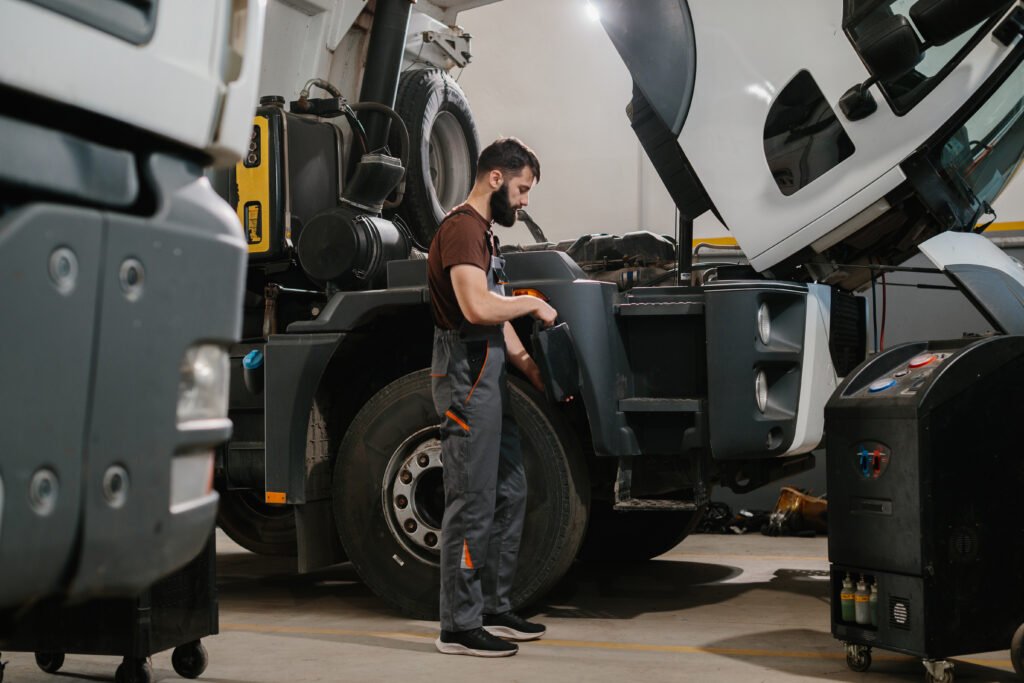
Keeping trucks maintained is not just a mechanical decision. It is a business decision. When your fleet is in good shape, deliveries are more dependable. Drivers feel safer and more confident. Customers get better service. Costs become easier to predict. And your team spends less time reacting to problems.
That is why consistent commercial truck repair El Paso matters. It is not only about fixing what is broken. It is about keeping your operation strong before problems start affecting your work.
A reliable fleet helps protect your reputation. And in a competitive freight market, reliability can be what keeps customers coming back.
Warning Signs You Should Not Ignore
Even with regular maintenance, trucks will usually give you signs when something is not right.
Maybe fuel efficiency starts dropping. Maybe the driver notices a vibration, a strange noise, or a delay when braking. Maybe warning lights come on, the engine runs hotter than normal, or there are electrical issues that keep coming and going.
Those signs are easy to put off when the schedule is full. But ignoring them can turn a simple repair into a breakdown at the worst possible time.
The sooner you check the problem, the better chance you have of keeping that truck on the road.
A Good Maintenance Routine Does Not Have to Be Complicated
A strong maintenance routine does not need to be overcomplicated. It just needs to be consistent.
Regular inspections, scheduled service, clear repair records, and good communication between drivers and technicians can make a major difference.
Drivers are especially important in this process. They know how the truck feels day to day. If something sounds different, feels off, or starts acting up, that feedback should be taken seriously.
When drivers and technicians work together, problems are easier to catch early.
Having the Right Repair Team Matters
For fleet owners, a dependable repair team is a huge advantage.
Experienced technicians can spot issues that are easy to miss. They can diagnose problems accurately, make repairs efficiently, and help prevent repeat issues. That kind of support is especially valuable before a busy freight season.
At B & F Truck Repair, the goal is simple: keep trucks moving and help businesses avoid unnecessary downtime.
Because at the end of the day, a truck sitting in the shop is a truck that is not making money.
Preparation Can Set You Apart
When summer freight demand rises, not every company is ready for it.
Some fleets will be dealing with breakdowns, delayed repairs, missed routes, and stressed-out drivers. Others will be moving steadily because they handled maintenance before the pressure hit.
That preparation can become a real competitive advantage. A well-maintained fleet helps you deliver on time, control costs, protect customer relationships, and keep your business running with fewer interruptions.
Final Thoughts
Summer freight season in El Paso can be tough on trucks, but it does not have to catch your fleet unprepared. May is the time to inspect, repair, and get ahead of the issues that heat and heavy demand can bring. The work you do now can save you from bigger problems later.
Preventive maintenance is not just about keeping trucks in good condition. It is about protecting your drivers, your schedule, your customers, and your business.
A truck that is ready for the season does more than run better. It gives you confidence every mile of the way.